Gestational Carrier
Some women are born without a uterus capable of carrying a child (congenital absence or abnormality of the uterus), while many others undergo surgical removal of the uterus (hysterectomy). In other cases, uterine disease renders the woman incapable of bearing a child or chronic ill health makes pregnancy inadvisable. For these couples, having another woman, a “third party,” bear a child for them is their only option.

IVF with the Gestational Surrogacy (Carrier) Program
The Gestational Surrogacy program involves the transfer of one or more embryos to the uterus of a third party (the gestational carrier or GC). The GC provides a host womb for the embryos and accordingly, does not contribute genetic material. While ethical, moral and legal issues still apply, the GC Program has gained more social acceptance.
Candidates for IVF with GC
- Women who because of previous surgery (hysterectomy), disease, or congenital absence, do not have a uterus capable of carrying a healthy pregnancy to full term.
- Women who because of systemic illnesses such as diabetes, heart disease, hypertension, certain malignant conditions (in full remission), seizure disorders, physical disability etc. are advised against undertaking a pregnancy.
GC Selection
Many intended parents who qualify for the GC program elect to solicit the assistance of empathetic friends or family members who agree to act as gestational carriers. Other intended parents elect to solicit a GC through media advertising. Some intended parents with the necessary financial resources prefer using an agency to find a suitable candidate.
It is a requirement that the intended parents and the GC sign a legal contract that clearly states who are to be the intended parents of the child. The intended parents and the GC must have the contract reviewed by their own legal counsel. The GC also needs to have had at least one successful pregnancy and be cleared by their own obstetrician to carry another pregnancy.
Screening the GC
Once the GC has been selected, she undergoes a full medical and laboratory evaluation including:
- A medical and family history
- A physical examination
- A psychological evaluation
- Specific blood tests to exclude HIV, hepatitis B and C, and other sexually transmitted diseases
- Cultures for organisms such as Chlamydia and Gonorrhea that might interfere with a successful outcome
- An evaluation of the uterus to look for anything that might interfere with implantation
- Blood testing of the GC’s partner for HIV, hepatitis, and other sexually transmitted diseases
Once all the evaluations have been completed, the IVF team will select an appropriate month to begin the cycle of treatment.
-
Ovarian/Follicular Stimulation and Monitoring of the Egg (Gamete) Producer (GP)
In the natural cycle, a woman will usually ovulate only one egg. In order to increase the chances of a viable pregnancy, multiple eggs are desired. In order to increase the number of mature eggs produced, it is necessary to stimulate the GP’s ovaries with fertility agents called gonadotropins. See overview of IVF procedure.

-
Cycle Synchronization
The GC also begins injections beginning in the preceding cycle. The duration of this therapy is adjusted to synchronize the (GC) cycle with the (GP) undergoing follicular stimulation.
-
Egg Retrieval
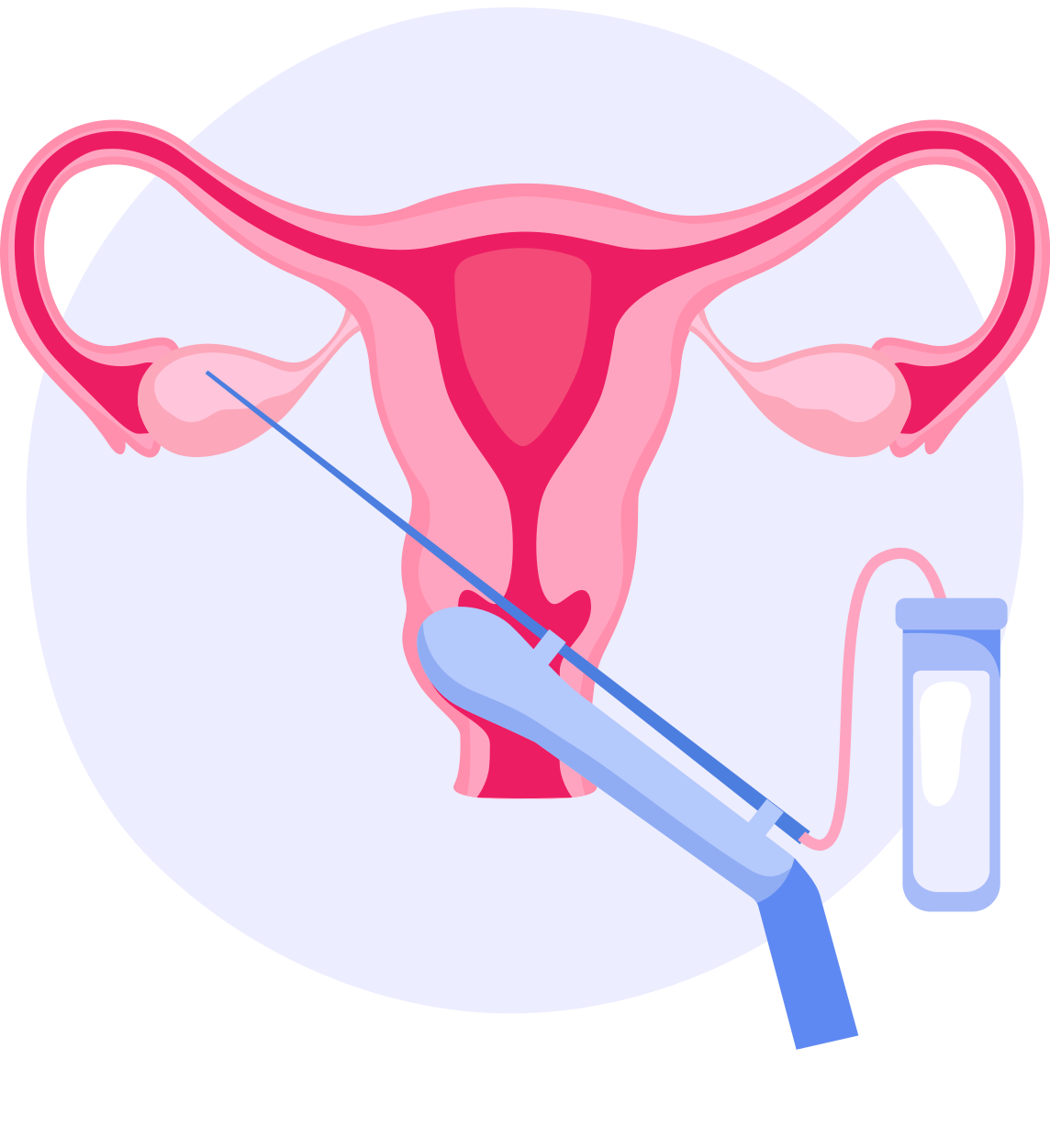
Eggs are retrieved from the GP by transvaginal ultrasound-guided needle aspiration. This low-risk procedure involves the passage of a needle through the vagina and into the ovary(ies) and aspiration of the follicular fluid and oocyte from each follicle. The egg retrieval is performed with intravenous sedation and takes approximately ten or fifteen minutes to accomplish. The GP can usually return to normal activity the following day.
-
Fertilization and Embryo Culture
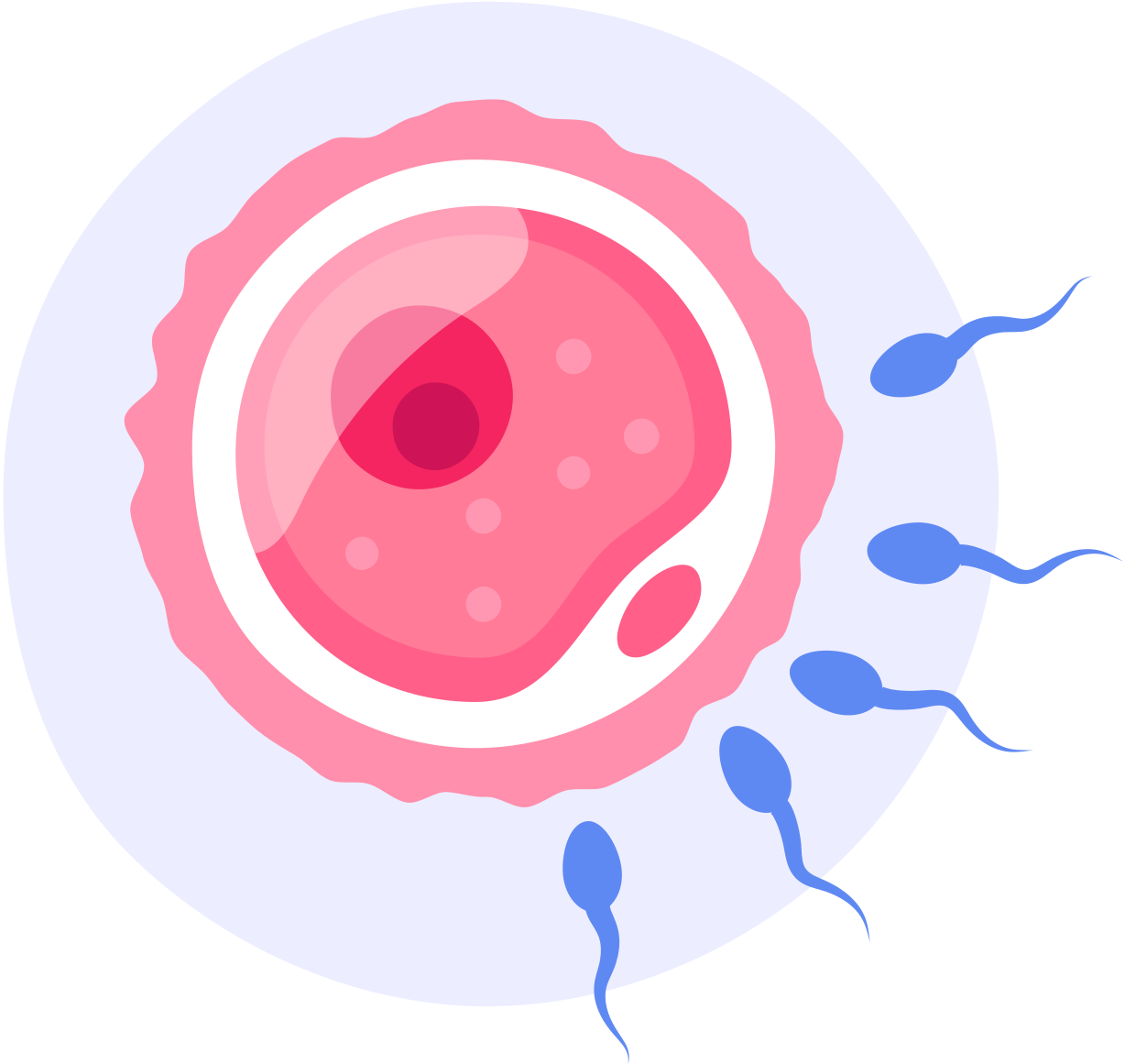
Eggs removed from the ovaries are immediately examined and then placed in a special culture medium in an incubator. After preparation of the sperm, fertilization is accomplished by established IVF procedures. Approximately 48 hours later, the eggs are again inspected to detect whether or not embryo growth has begun.
-
Embryo Transfer
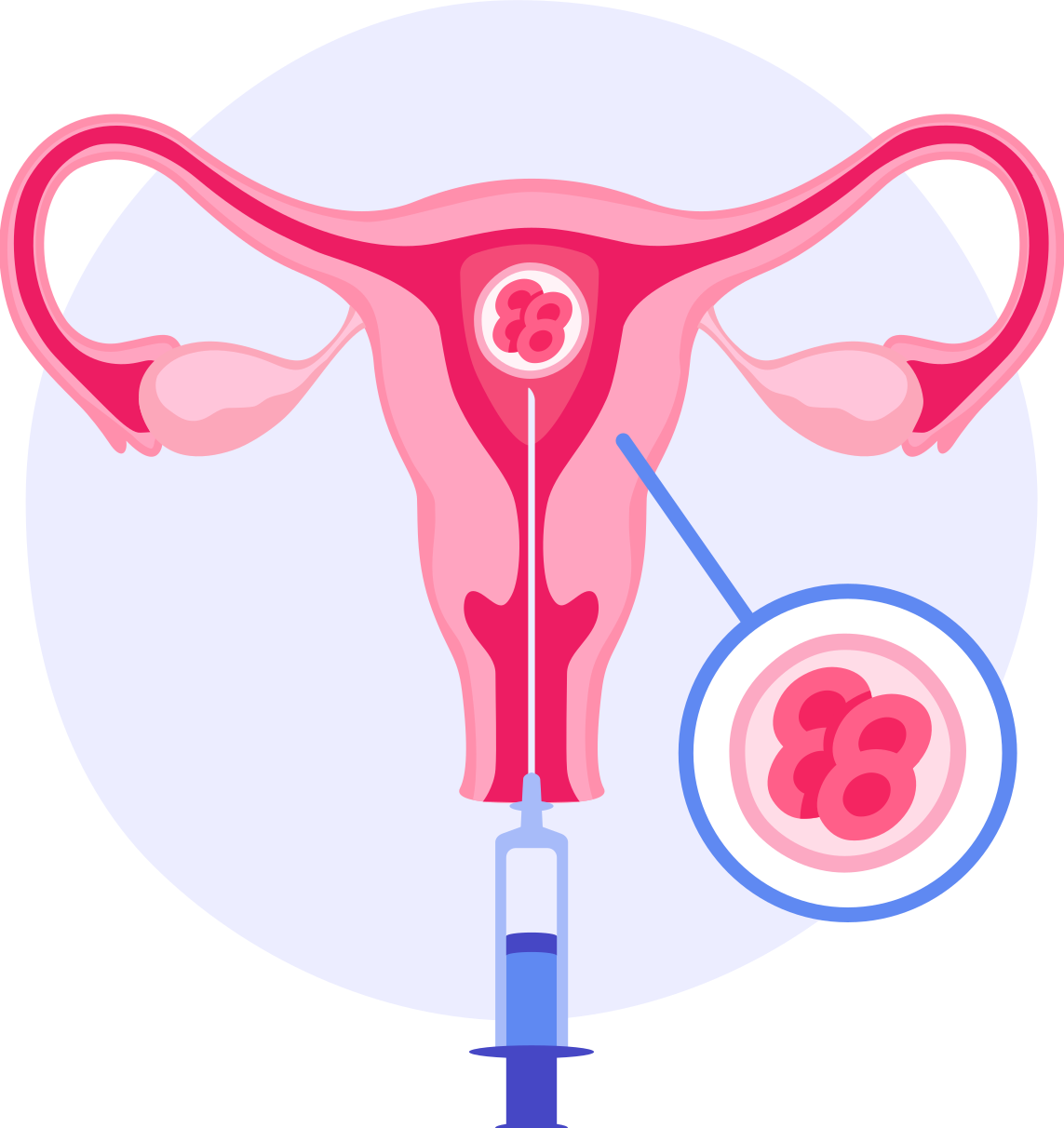
Three days to 5 days following egg retrieval one or two embryo(s) are transferred into the GC’s uterus. We strongly recommend the transfer of a single embryo to lower the obstetrical risks and ensure a safe pregnancy for the GC. The GC rests for approximately thirty minutes thereafter and then is discharged to home. At that time, she is instructed to be at very limited activity at home for the following 24 hours.
-
Follow up
Approximately ten to eleven days following a transfer, a pregnancy test is performed. If it is positive, it indicates that implantation has taken place. In such an event, hormone support will be continued for an additional 8 weeks. The first ultrasound examination to evaluate fetal viability is scheduled approximately 4 weeks after the transfer. If the pregnancy test is negative, all treatment is discontinued and menstruation usually begins within three to ten days. A conference with your physician to review cycle and additional treatment options follow.